



What are Sardines? Everything you need to know about these fish
Sardines are small fish of the herring family, found in the Atlantic Ocean and the Mediterranean Sea. They are valued for their excellent taste, high content of omega-3 fatty acids, and exceptional nutritional value. Although many people primarily associate sardines with canned food, they are actually one of the most important and widely consumed fish in the world.
These silver-colored fish have been an important part of the gastronomy of Portugal, Spain, France, and other coastal countries for centuries. Due to their taste, accessibility, and nutritional value, sardines are often called one of the most valuable seafood products.
Over the past two years, working exclusively with Portuguese canned fish, we have had the opportunity not only to get acquainted with dozens of producers but also to better understand why sardines are valued worldwide much more than it might seem at first glance.
In this article, we will explain what sardines are, where they live, how they differ from other similar fish, and why they are still considered one of the most nutritious seafood products in the world.
What are sardines?
Sardines is a generic name for several species of small pelagic fish belonging to the herring family (Clupeidae).
In Europe, the highest quality sardines are usually considered to be the European pilchard (Sardina pilchardus), found off the coasts of Portugal, Spain, France, and North Africa.
Sardines live in large shoals, feed on plankton, and are an important part of the marine ecosystem. They typically grow up to 15-25 centimeters in length and are characterized by silvery scales and a fleshier texture than many other small fish.
Due to their place in the food chain, sardines accumulate fewer heavy metals than large predatory fish, making them one of the safest choices for regular consumption.
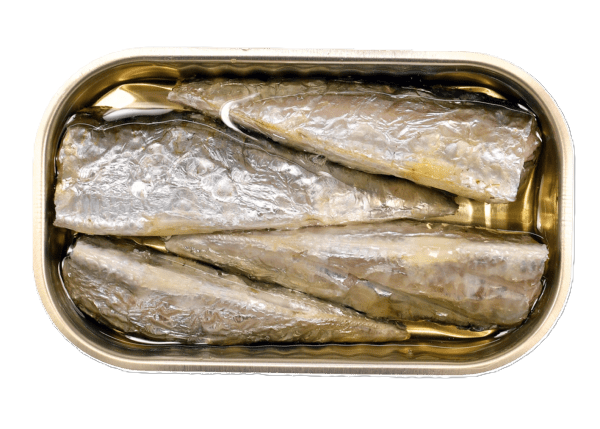
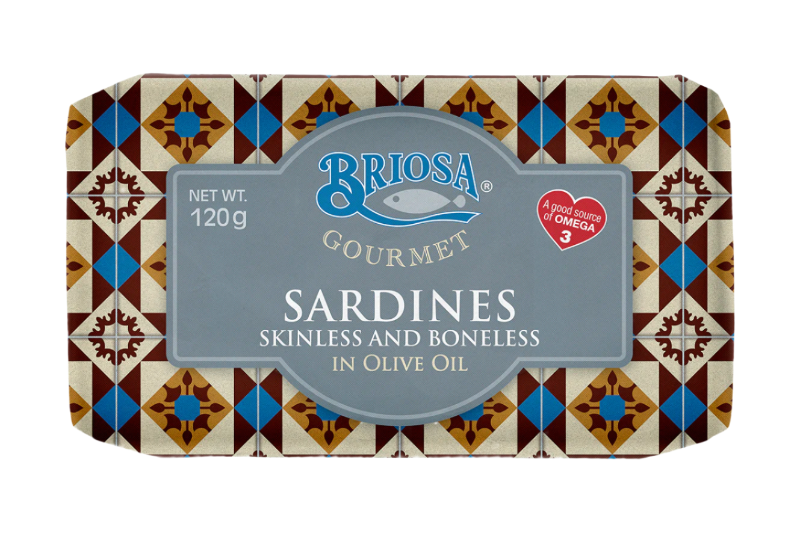
Most people today become acquainted with these fish through tinned sardines, which preserve their taste and nutritional value all year round.
What do sardines look like?
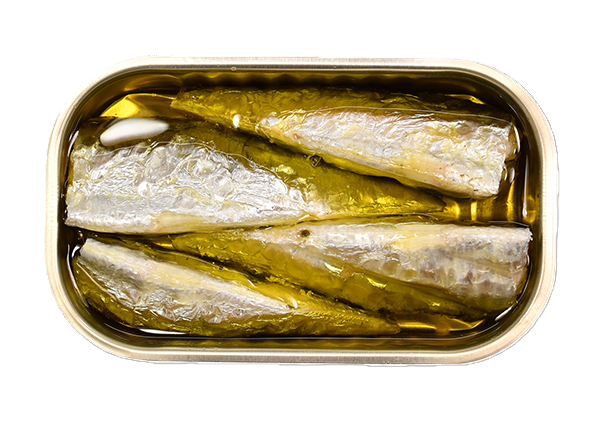
Sardines are elongated, silver-colored fish with a darker back and a light belly.
Their main features:
-
15–25 cm in length;
-
narrow, streamlined body;
-
silvery scales;
-
small head;
-
delicate and fleshy texture.
In nature, sardines live in huge shoals, which can sometimes extend for several kilometers. This way of life helps protect them from predators and find food more efficiently.

Why are sardines considered one of the most important fish in the world?
Sardines are one of the most important commercial fish in the world.
Millions of tons are caught each year, and in many countries, they form an important part of the local diet. Due to their high availability, nutritional value, and relatively low environmental impact, sardines are often mentioned among the most sustainable seafood products.
According to many nutritionists, sardines are one of the best ways to obtain omega-3 fatty acids naturally.
This is why they are valued not only in gastronomy but also in the world of healthy eating.
Where do sardines live?
Sardines are found in many seas around the world, but their largest populations live:
-
in the Atlantic Ocean;
-
in the Mediterranean Sea;
-
off the coast of Portugal;
-
off the coast of Spain;
-
off the coast of Morocco;
-
off the coast of Brittany, France.
Atlantic sardines caught off the coast of Portugal are particularly prized. Most high-quality Portuguese canned sardines are made from them.
In Portugal, sardines are still an integral part of the culture, and summer festivities are often unimaginable without grilled sardines.
What do sardines eat?
Sardines feed on plankton and other small marine organisms.
As they are low in the food chain, they accumulate less mercury and other pollutants in their bodies than large predatory fish.
This is one reason why sardines are often recommended as a safer choice than tuna or some other marine fish.
What types of sardines are there?
Although the same name is most commonly used in everyday language, there are several species of sardines in the world.
The most commonly mentioned are:
-
European pilchard (Sardina pilchardus);
-
Pacific sardine (Sardinops sagax);
-
Japanese sardine (Sardinops melanostictus).
In Europe, the most valuable and gastronomically appreciated is the European pilchard (Sardina pilchardus).
This species is used in most high-quality Portuguese canned products.
How do sardines differ from sprats?
Although sardines and sprats belong to the same herring family, they are not the same fish.
| Sardines | Sprats |
|---|---|
| Larger | Smaller |
| Fleshier | Finer |
| More omega-3 | Less omega-3 |
| Milder taste | More intense taste |
| Often canned in olive oil | Often smoked |
Due to their texture and taste, sardines are often considered a more versatile product in gastronomy.
How do sardines differ from anchovies?
Anchovies and sardines are often confused, but they are different fish.
Anchovies are generally smaller, saltier, and mostly used as an ingredient to flavor various dishes.
Sardines:
-
have more flesh;
-
have a milder taste;
-
are more often eaten as a main product;
-
are great for both everyday consumption and tastings.
Why are sardines usually canned?
Sardines are a very delicate fish, so their quality starts to change quite quickly after capture.
For this reason, a canning method has been used in coastal regions for over a century, allowing the preservation of taste and nutritional properties.
High-quality sardines are often canned within a few hours of being caught.
This preserves:
-
natural flavor;
-
texture;
-
omega-3 fatty acids;
-
vitamins and minerals.
Why are Portuguese sardines so famous?
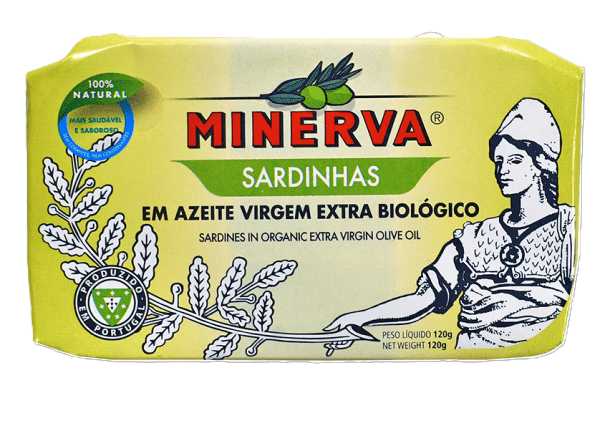
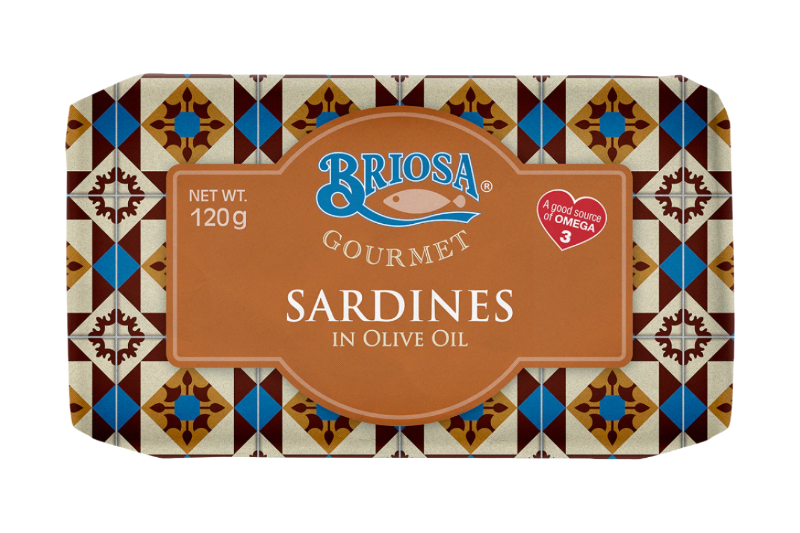
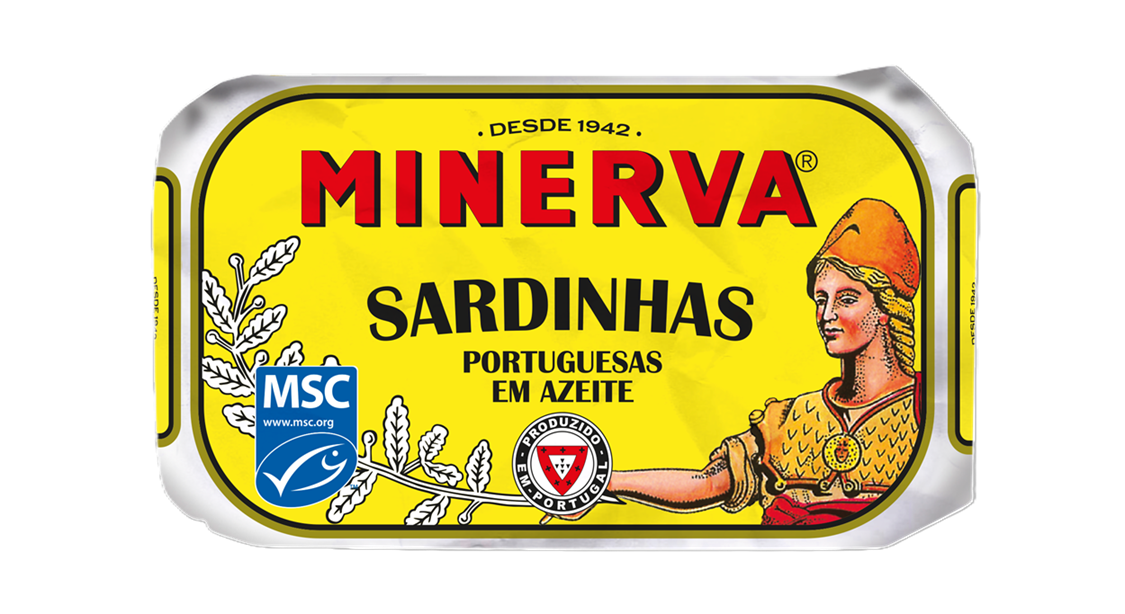
For over a century, Portugal has been considered one of the most important countries in the world for canning sardines.
The country has dozens of historic factories that still maintain traditional production methods.
Portuguese sardines are valued for:
-
high-quality Atlantic fish;
-
hand packing;
-
high-quality olive oil;
-
many years of producer experience.
Many gourmets consider Portuguese sardines to be the global benchmark for quality.
Nutritional value of sardines
One of the most important reasons why sardines are so valued is their nutritional composition.
| Nutrient | Benefits for the body |
|---|---|
| Proteins | Help maintain muscle mass |
| Omega-3 | Contribute to normal heart function |
| Vitamin D | Important for bones and the immune system |
| Vitamin B12 | Contributes to the nervous system function |
| Calcium | Helps maintain normal bone condition |
| Selenium | Acts as an antioxidant |
Are sardines healthy?
The short answer is yes.
Sardines are considered one of the most nutritious seafood products in the world. They are rich in protein, omega-3 fatty acids, vitamins, and minerals, and due to their low mercury content, they are considered one of the safest fish for regular consumption.
Frequently Asked Questions about Sardines (FAQ)
Are sardines fish?
Yes. Sardines are fish of the herring family.
Are sardines and sprats the same?
No. They are different species of fish.
Can you eat sardine bones?
Yes. During canning, they soften and become an excellent source of calcium.
Do sardines have a lot of mercury?
No. Sardines are considered one of the fish that accumulate less mercury.
Are sardines suitable for athletes?
Yes. They are rich in protein and omega-3 fatty acids.
Are sardines suitable for children?
In most cases, yes. Sardines are a nutritious source of protein, calcium, and omega-3.
Can pregnant women eat sardines?
Sardines are generally considered one of the safer fish due to their low mercury content, but it is always advisable to follow your doctor's recommendations during pregnancy.
How many calories do sardines have?
The exact calorie count depends on the product and the liquid it's packed in, but sardines are a nutritious and filling product, rich in protein and healthy fats.
About the author of the article
The article was prepared by the SARDINELE team, specializing exclusively in Portuguese canned fish products. Currently, SARDINELE's assortment includes one of the largest selections of Portuguese sardines and other canned fish in the Baltic States, and daily work with Portuguese manufacturers allows us to directly deepen our knowledge of this unique gastronomic category and share it with you!
Conclusion
Sardines are not only one of the most popular fish in the world but also one of the most valuable seafood products from a nutritional point of view. They boast excellent taste, high nutritional value, and long-standing gastronomic traditions, which are particularly strong in Portugal.
Whether you are encountering sardines for the first time or are already a fan, it is worth knowing that there is much more to this simple name than just a can of preserved fish. This is why sardines have remained an important part of global gastronomy and healthy eating for over a century.
Want to discover the authentic culture of Portuguese preserves? Explore our carefully selected collection of Portuguese canned sardines!









Leave a comment
This site is protected by hCaptcha and the hCaptcha Privacy Policy and Terms of Service apply.